

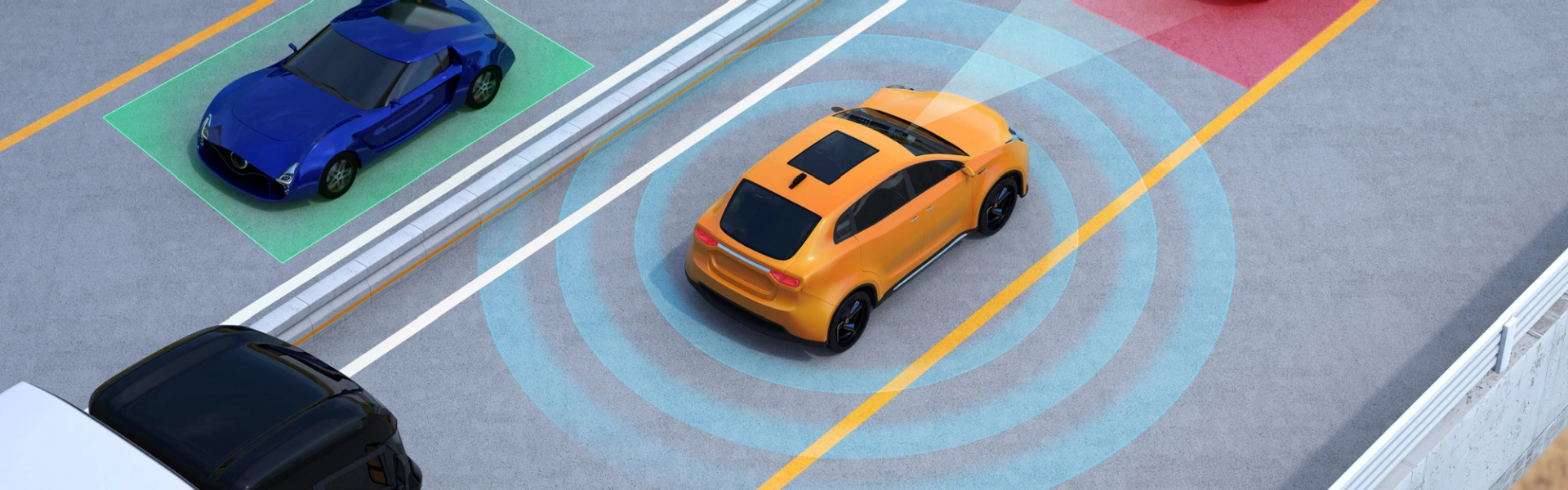
Driverless Cars and Your Rights: What You Need to Know About Auto Accidents and Personal Injury Claims
July 9, 2025
The future of transportation is here, with autonomous vehicles (driverless cars) from companies like Tesla, Waymo, and General Motors poised to transform our roads, but also how we approach auto accidents and personal injury law. While these innovations promise enhanced safety by reducing human error, they also introduce unprecedented legal challenges, particularly concerning liability and compensation in car accident cases.
At Lloyd Baker Injury Attorneys, we’re closely monitoring the evolving landscape of personal injury law to ensure victims of driverless car accidents receive the justice they deserve.
The Shifting Landscape: Fewer Accidents, New Risks
Driverless cars are designed to minimize human error, which accounts for approximately 94% of serious crashes, according to the National Highway Traffic Safety Administration (NHTSA). By eliminating issues like distracted driving, fatigue, and impaired judgement, autonomous vehicles aim for significantly safer roads.
However, risk remains. Accidents involving driverless (autonomous) cars can still occur due to:
- Software glitches
- Sensor failures
- Cybersecurity breaches/Hacking
- Unpredictable human behavior (from pedestrians, cyclists, or other drivers interacting with AVs)
. These new factors introduce significant complexity to accident investigations.
Who’s at Fault? Understanding Liability in Driverless Car Accidents
In traditional auto accidents involving human drivers, liability typically falls on the negilgent human driver. i With driverless cars, this changes dramatically. , If an autonomous vehicle (AV) causes a crash, who is responsible? The crucial question brings product liability to the forefront of personal injury law. Instead of suing an individual driver, injured parties may need to pursue legal action against:
- The vehicle manufacturer
- The software developer
- The component supplier
- The owner/operator (in case of partial autonomy or improper maintenance)
Proving a defect in design, manufacturing, or software that directly caused an injury can be far more complex than a standard negligence claim, requiring in-depth technical investigations and expert testimony. For example, if a self-driving car malfunctions due to a sensor error, identifying the exact cause–faulty hardware, a software bug, or inadequate training data–is critical for determining liability.
How Insurance Will Adapt
Current auto insurance models are built around human drivers as the primary risk. The rise of autonomous vehicles necessitates a major shift. Insurers may reconfigure models to:
- Shift from driver-centric insurance to product-based coverage, holding manufacturers responsible for accident-related damages.
- Introduce new insurance products tailored for autonomous vehicle owners.
- Allocate liability based on the level of automation (partial vs. full) at the time of the crash.
Understanding these evolving insurance frameworks is vital for personal injury victims seeking fair compensation..
Evolving Legal Precedents: A New Frontier for Attorneys
Since autonomous vehicles are new, the legal system is actively establishing precedents. Courts are grappling with questions like:
- Can an autonomous system be held “negligent”?
- When should a human occupant intervene or override the system?
- How do we prove causation when the decisions are algorithmic?
- Is the vehicle data (black box recordings, sensor logs) collected by the vehicle admissible and reliable as evidence?
- Did the vehicle’s behavior meet reasonable safety standards for autonomous systems?
As these complex issues become more common, personal injury attorneys, judges, and lawmakers must become proficient in the technology behind self-driving systems to make informed decisions. State and federal regulations will be pivotal in shaping the future legal landscape.
What This Means for Personal Injury Victims: Why You Need Specialized Legal Help
While driverless cars may reduce the frequency of traditional crashes, accidents will still occur, giving rise to highly specialized personal injury claims. For victims of accidents involving autonomous vehicles, securing compensation can become more complicated but certainly not impossible.
If you’ve been in an accident involving a driverless car, seeking a personal injury attorney with expertise in this emerging field is crucial. Your legal team will likely need to:
- Work alongside technical experts to analyze complex vehicle data (software behavior, hardware interactions system design)
- Understand new categories of claims, including those related to data privacy, cybersecurity breaches, or failure-to-update software.
- Navigate lawsuits that will become more specialized and focus on technological nuances.
These cases can affect not just passengers and other motorists, but also pedestrians and property owners.
The Road Ahead: Expert Legal Guidance is Key
The transition to widespread autonomous driving holds the promise for safer roads, but also demands significant adaptations in both the legal and regulatory frameworks. While personal injury claims may become less frequent, they will undoubtedly become more complex, particularly in how we assign responsibility and compensation. This will require an approach that blends law, technology, and policy.
At Lloyd Baker Injury Attorneys, we are committed to navigating this new terrain. We blend legal expertise with a growing understanding of technology and policy to ensure justice remains accessible.If you or someone you know has been in an auto accident, especially one involving a driverless vehicle, contact the team with a proven track record, at Lloyd Baker Injury Attorneys. Our qualified team can navigate the legal process so you can focus on healing.
Contact us today!